TRAPPED AIR
The air does the work
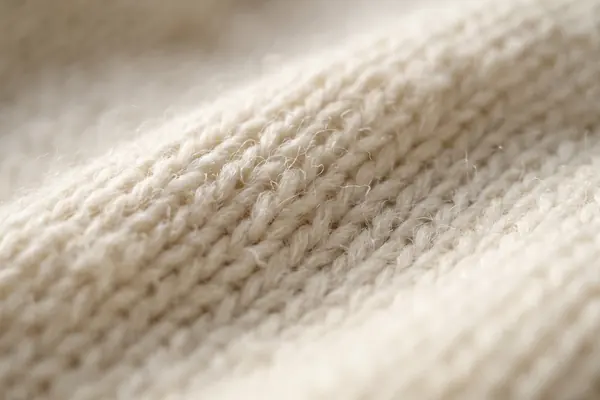
Fibres conduct heat 5 to 20 times better than air, a Zagreb review notes, so the air held in yarns, fabrics and gaps gives most of the insulation.
See the numbers thintechwear
Start
WHAT THE LAB TESTS SHOW
Fabric is mostly a way of holding air still.
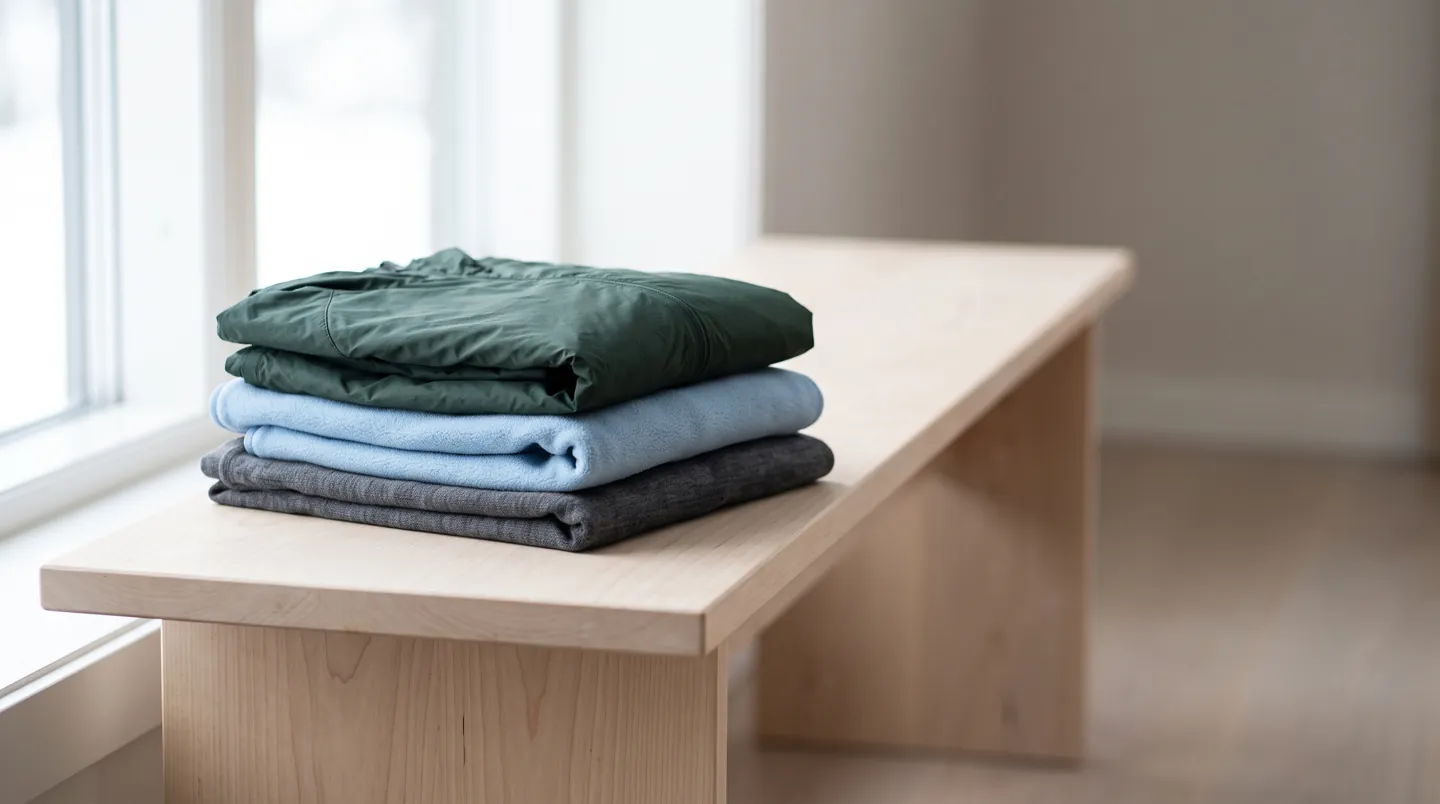
Textile labs measure warmth on heated manikins in a unit called the clo. Their results explain the old advice: several thin layers, each with a little still air between them, beat one thick layer pressed flat.
1 CLOa business suit, sitting at 21°C
Check an air gapKeep in mind
THE SHORT ANSWER
Fibres carry heat better than air.
So the job of clothing is to trap air and keep it still.
TRAPPED AIR
Fibres conduct heat 5 to 20 times better than air, a Zagreb review notes, so the air held in yarns, fabrics and gaps gives most of the insulation.
See the numbersLAYERS
A 5 mm air gap added 0.2 to 0.5 clo in measurements. Pair an inner and an outer layer and insulation rises markedly, one study found.
Check an air gapFIT
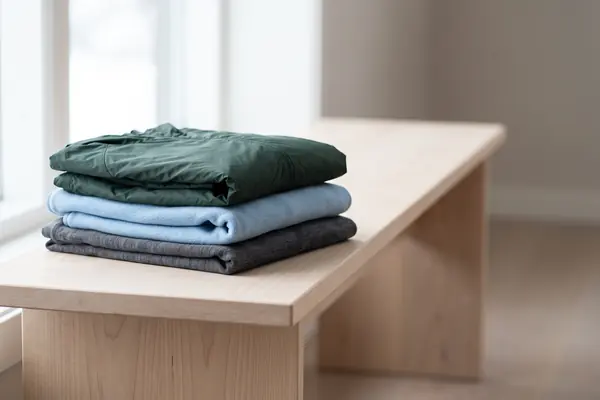
Pressing fabric flat lowers its thermal resistance. A loose layer that keeps its loft holds more still air than one crushed under straps or a tight fit.
How to layerA QUICK AIR-GAP CHECK
Pick the space between your skin and a garment, or between two layers. The bar shows roughly how much that air adds to insulation in lab measurements.
Based on thermal manikin and hot-plate research. Real clothing moves, and wind and body movement pump air out of the gaps.
TWO NUMBERS WORTH KNOWING
One figure on why air matters,
one on what a thin gap can add.
5–20× higher
How much better fibres conduct heat than air
The thermal conductivity of fibres is 5 to 20 times higher than that of air, so air entrapped in yarns, fabrics and garments contributes significantly to total thermal resistance.
FIBRE VS AIR · UNIVERSITY OF ZAGREB
0.2–0.5 clo
Extra insulation from one small air gap
Measurements cited in the 2023 review show that an air gap of about 5 mm improves insulation by 0.2 to 0.5 clo. One clo is roughly a business suit.
A 5 MM GAP · UNIVERSITY OF ZAGREB
A 2020 manikin study of jacket inserts found that above a certain mass, adding more insulating material brought no significant rise in insulation, only a heavier, bulkier garment.
FOUR HABITS TO TRY
None of this needs special kit. It is about letting each layer hold a little still air, and being able to take one off.
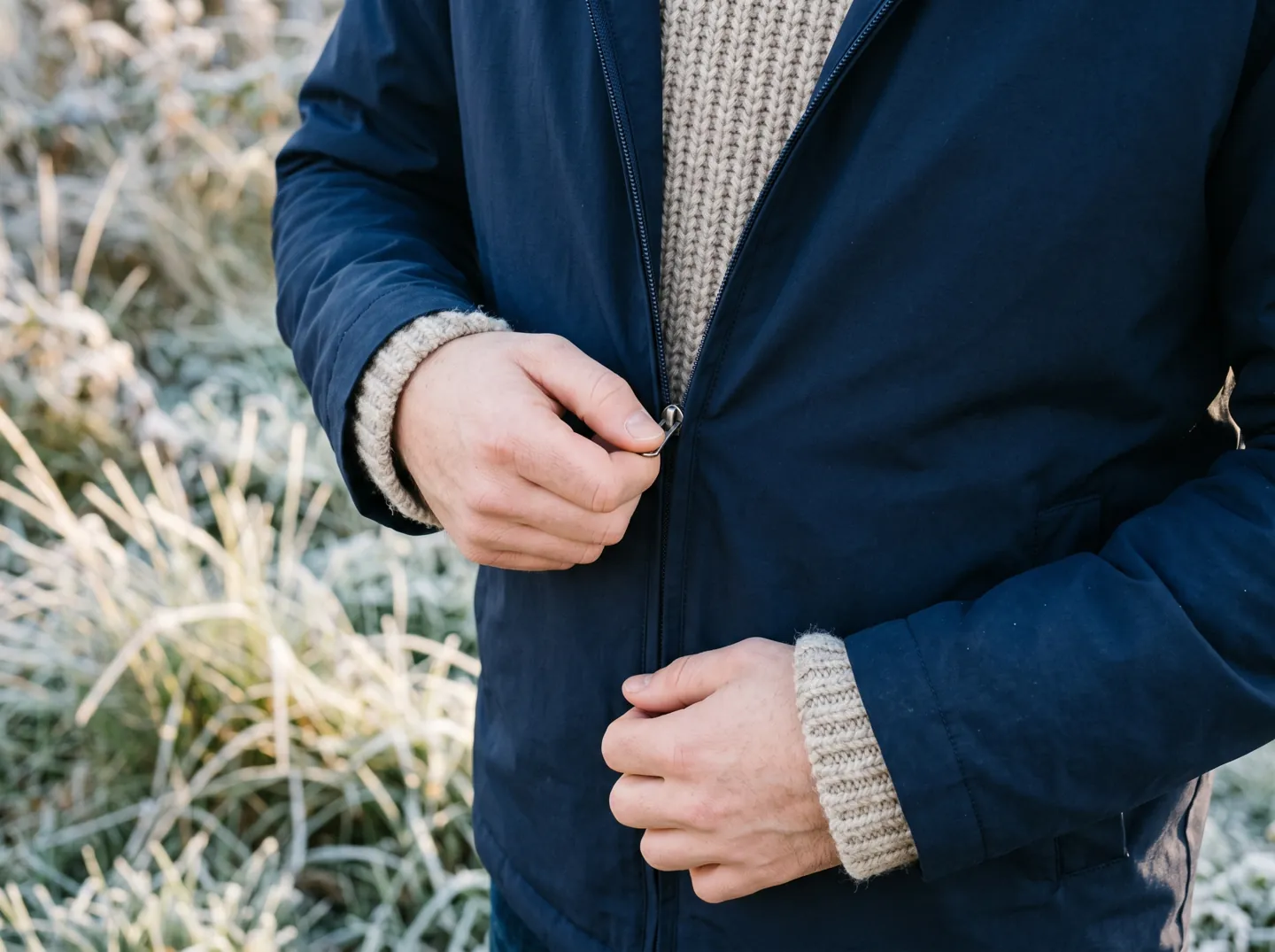
Step 1
Health advice in England says several thin layers keep you warmer than one thick layer, because the layers trap warm air.
Step 2
Thermal underwear, warm tights and thick socks are the examples NHS winter advice gives for keeping the body warm.
Step 3
Small gaps between layers add insulation, but beyond 10 to 15 mm the gain levels off. Snug but not squeezed is the aim.
Step 4
HSE warns that too much clothing can cause heat stress. Layers let you adjust as you warm up or move indoors.
HOW WARMTH IS MEASURED
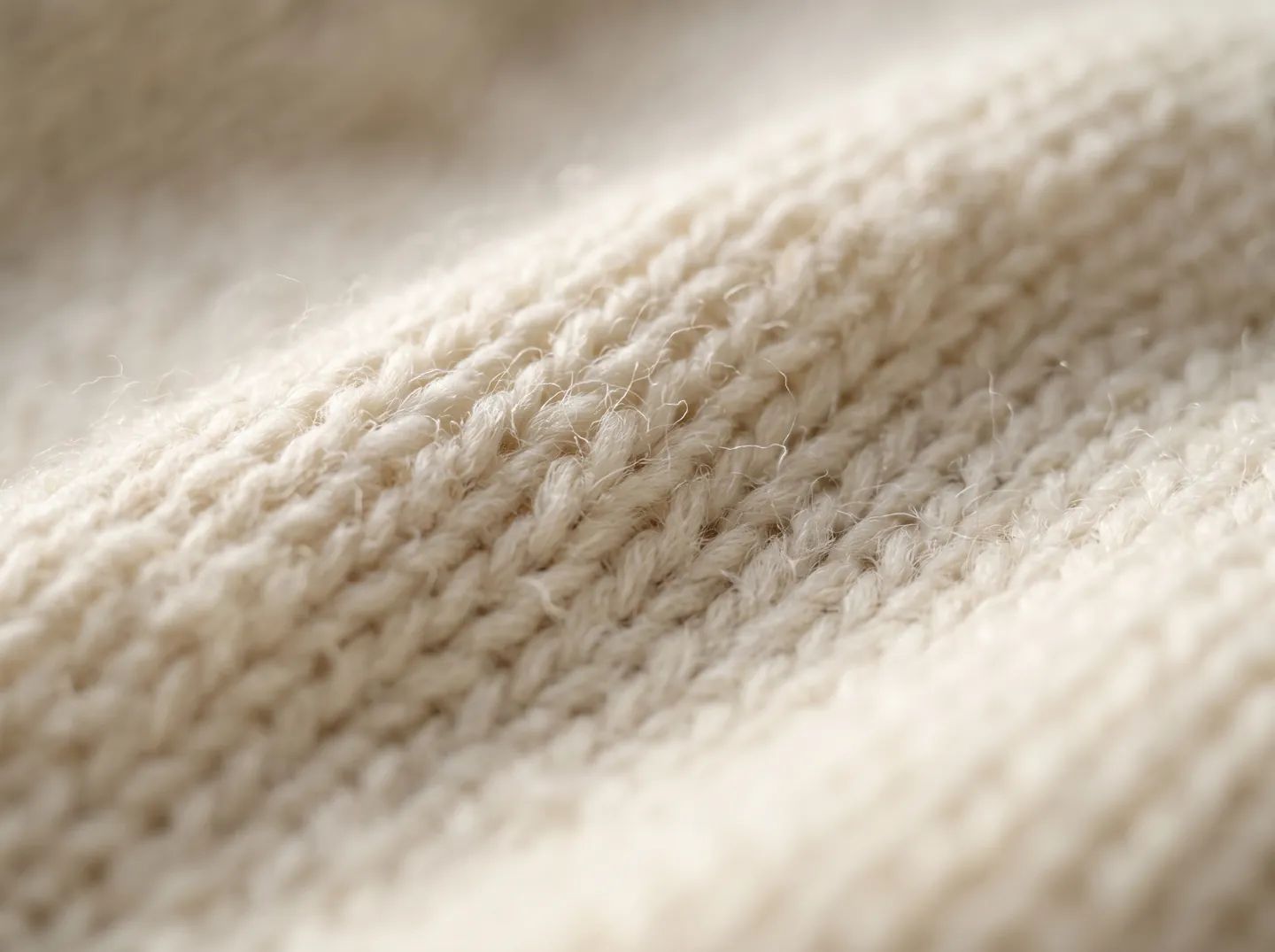
In 1941 Gagge and colleagues defined 1 clo as about 0.155 m²K/W, the insulation of a warm business suit for someone sitting comfortably in a ventilated room at 21°C. A naked body is 0 clo.
Labs measure clo on heated, jointed manikins under standards such as ISO 15831, which can even make the manikin walk. HSE points employers to BS ISO 9920 for estimating clothing insulation values.
Questions
Health advice in England says so: an NHS integrated care board and UKHSA advice reported by Devon County Council both say several layers keep you warmer than one thicker layer, because the layers trap warm air.
A unit of clothing insulation. Defined in 1941, 1 clo is about 0.155 m²K/W, roughly a warm business suit worn by someone sitting at 21°C. A naked body has 0 clo.
Air conducts heat poorly, with a thermal conductivity of about 0.026 W/mK at room temperature. Fibres conduct heat 5 to 20 times better, so the still air held in and between fabrics gives much of the warmth.
No. The biggest change comes in gaps below about 10 to 15 mm. Above that the insulation of the gap barely changes, because the air starts to circulate by natural convection.
Yes. A 2020 manikin study found that above a certain mass of insulating inserts there was no significant rise in insulation, while the garment got heavier, bulkier and harder to move in.
Destination
Updated
ABOUT THIS NAME
thintechwear.com is part of the DoodleSale portfolio. It isn't in an auction right now, but you can ask about leasing it.